
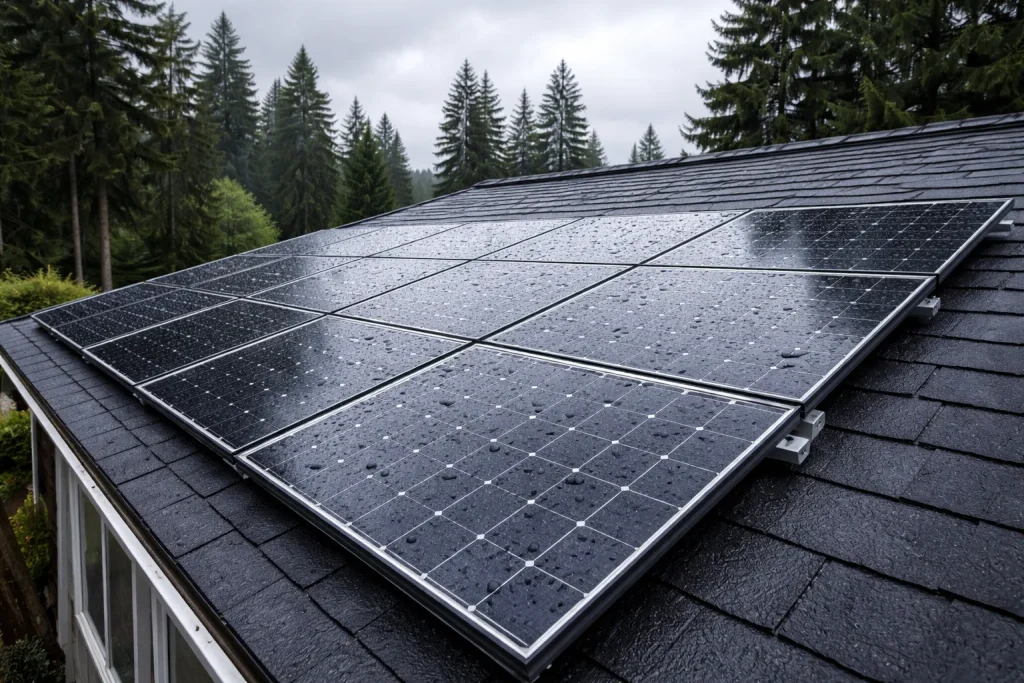
West Seattle Electric and Solar knows that spring represents a fresh start for renewable energy systems in the Pacific Northwest. We recommend scheduling a seasonal evaluation to address any issues caused by heavy winter rains or wind. If you notice a dip in production, it may be time to consult a “solar panel repair technician near me” to ensure your hardware is ready for longer days.
Step 1: Clearing Winter Debris Accumulation
West Seattle Electric and Solar notes that Seattle winters often leave a layer of organic material on rooftop arrays. Falling leaves, pine needles, and moss can create shadows that significantly reduce the electrical output of individual cells. We focus on safely removing these obstructions to prevent long-term staining or moisture buildup.
The presence of debris can also invite small animals to nest underneath the panels during the colder months. West Seattle Electric and Solar looks for signs of squirrel or bird activity that might have caused physical damage to the underside of the equipment. Clearing the area ensures proper airflow and prevents overheating as temperatures begin to rise.
Step 2: Assessing Glass and Surface Integrity
West Seattle Electric and Solar performs visual inspections to identify any physical impacts from winter storms. While solar glass is durable, heavy branches or hail can cause small fractures that compromise the weather seal. We check for these imperfections to prevent water from reaching the sensitive internal components.
A clean, smooth surface is vital for capturing the diffuse light common in the Puget Sound area. West Seattle Electric and Solar identifies areas where environmental pollutants or salt spray may have created a film on the glass. Removing these deposits allows the maximum amount of light to reach the silicon wafers inside.
Step 3: Inspecting Electrical Conduits and Wiring
West Seattle Electric and Solar examines all exposed wiring to ensure that connections remain tight and secure. Fluctuating winter temperatures can cause materials to expand and contract, sometimes leading to loose fittings. We verify that all conduits are intact and that the system remains grounded in accordance with local safety codes.
Wire management is a critical factor in the longevity of a solar installation. West Seattle Electric and Solar ensures that no cables hang or touch the roof surface, where they could be damaged by running water. Proper positioning protects the electrical integrity of the entire array from the panels to the main breaker.
Step 4: Monitoring Inverter Performance and Efficiency
West Seattle Electric and Solar checks the status of your inverter to confirm it is processing energy correctly. This component is responsible for converting the power generated on your roof into a form your home can use. We look for specific error logs or performance dips that might indicate a need for technical adjustments.
Modern inverters provide a wealth of data that we use to diagnose your system’s health. West Seattle Electric and Solar analyzes these metrics to ensure the conversion rate meets the expected standards for your specific model. Identifying these issues early helps prevent a complete system shutdown during the most productive months of the year.
Step 5: Verifying Racking and Mounting Stability
West Seattle Electric and Solar inspects the hardware that secures your panels to the roof structure. Strong winds can put pressure on the mounting brackets, making it important to confirm that all bolts remain properly torqued. We ensure the system is stable and that any movement does not cause mechanical stress.
Structural stability is also essential for maintaining the waterproof seal of your roof. West Seattle Electric and Solar checks the flashing and attachments to ensure that the installation continues to protect your home from leaks. A secure mount ensures that the panels stay in the optimal position for sun exposure throughout the season.
Seasonal Solar Health Checklist
| System Component | Maintenance Action | Desired Outcome |
| Photovoltaic Panels | Clear organic debris and dirt | Maximum light penetration |
| Inverter Unit | Review historical error codes | Continuous power conversion |
| Wiring and Conduits | Check for wear or pest damage | Safe electrical transmission |
| Mounting Hardware | Tighten bolts and check flashing | Structural and roof security |
| Electrical Panel | Inspect breaker connections | Efficient power distribution |
Further Reading:
- QuietCool Fan Systems and Their Role in Maximizing Solar Energy Savings
- Solar Problems Seattle Homeowners Should Not Ignore
Ensuring Reliable Renewable Energy for the Year
West Seattle Electric and Solar provides the local expertise necessary to keep your solar system operating at its peak potential. We focus on the technical details that ensure your equipment remains safe and productive through the spring and summer. Regular maintenance helps prevent unexpected failures and keeps your energy bills low.
Schedule a visit from West Seattle Electric and Solar to work with a qualified “solar panel repair technician near me.”