
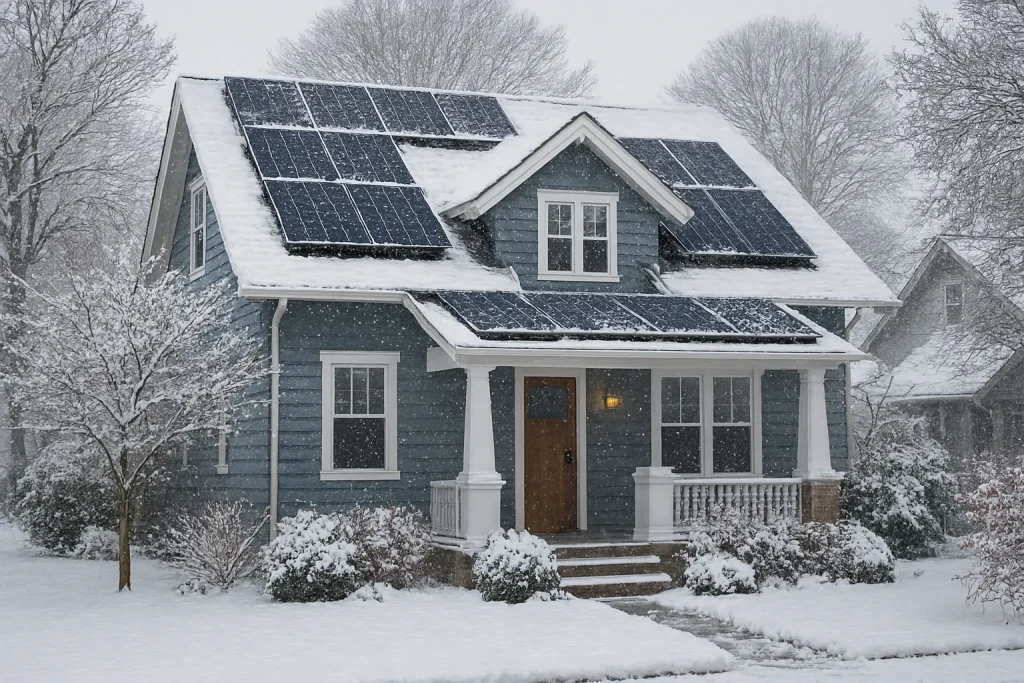
Winter conditions often raise questions about how solar energy systems operate during darker, colder months. As December comes to a close, many homeowners are evaluating how their systems performed over the season or considering solar for the first time with winter realities in mind. Conversations around Seattle solar performance during winter focus on reliability, grid interaction, and realistic expectations rather than peak production.
West Seattle Electric and Solar approaches these discussions by grounding them in how solar energy systems are designed to function year-round. Winter performance is not an exception to system planning; it is a key factor in creating a solar setup that performs consistently across all seasons.
How Solar Systems Function During Seattle Winters
Solar panels continue to generate electricity whenever daylight is present, even on overcast days. While shorter daylight hours affect overall production, system operation remains consistent. Panels convert available sunlight into electricity, which flows through the inverter and into the home’s electrical system.
Grid-connected systems are designed with seasonal variation in mind. Electricity produced during winter is used first in the household; the utility grid automatically supplies any shortfall. This interaction ensures the home’s electrical needs are met without interruption, regardless of weather conditions.
The Role of the Utility Grid in Winter Performance
One of the most important aspects of winter solar performance is how the system interacts with the utility grid. Grid-tied solar systems remain connected to the grid at all times. This connection allows electricity to flow in both directions, depending on production and consumption.
During the winter months, when homes typically draw more electricity for lighting and heating, the grid plays a larger role in balancing demand. Solar systems are designed to operate within this framework, ensuring consistent electricity access while contributing renewable energy when conditions allow.
Seasonal Expectations Matter More Than Seasonal Output
Understanding winter performance starts with setting appropriate expectations. Solar systems are not designed solely for peak summer conditions. They are planned based on annual energy use, seasonal variations, and the home’s year-round performance.
Winter production is part of a broader annual cycle. System design accounts for periods of lower output as well as periods of higher production. This balance is central to how solar energy systems are evaluated and integrated into a home’s electrical setup.
Maintenance Considerations During Colder Months
Solar systems are built for durability and designed to remain in place year-round. Winter weather introduces moisture, colder temperatures, and debris, all of which are accounted for in system planning and installation.
Rather than requiring constant attention, winter performance is supported by proper installation, secure mounting, and correct system configuration. All inspections and repairs follow established electrical and safety standards to ensure the system continues to operate as intended.
Battery Backup and Winter Reliability
Some solar systems include battery-based backup components designed to provide power when the utility grid is unavailable. These systems operate independently from seasonal sunlight levels, storing electricity when available and supplying it during outages.
Battery backup systems are planned based on household needs and expected electrical loads. Their role in winter focuses on reliability during grid interruptions rather than on supplementing daily energy use.
System Design Reflects Seattle’s Climate
Seattle’s climate plays a central role in how solar systems are designed. Cloud cover, rainfall, and seasonal daylight changes are factored into system sizing and configuration from the beginning. These considerations ensure the system aligns with local conditions rather than idealized scenarios.
Designing for real-world conditions helps ensure performance remains consistent and predictable across all seasons, including winter.
Planning With a Long-Term View
Winter often prompts homeowners to take a closer look at how their homes use electricity. This timing supports thoughtful planning rather than rushed decisions. Solar system design benefits from understanding winter demand, roof conditions, and electrical infrastructure under sustained use.
Approaching solar planning during winter helps ensure the system reflects how the home truly operates throughout the year.
Further Reading:
- Preparing Your Generator for Winter Conditions in Washington
- Getting Your Standby Generator Ready for Cold Winter Conditions
Grounded Expectations for Year-Round Performance
Winter performance and maintenance discussions are most productive when they focus on how solar systems are designed to operate in seasonal conditions. By understanding grid interaction, system design, and realistic expectations, homeowners can approach solar planning with clarity and confidence.
If you are evaluating Seattle solar, contact West Seattle Electric and Solar to discuss how winter conditions factor into reliable, year-round system performance.