
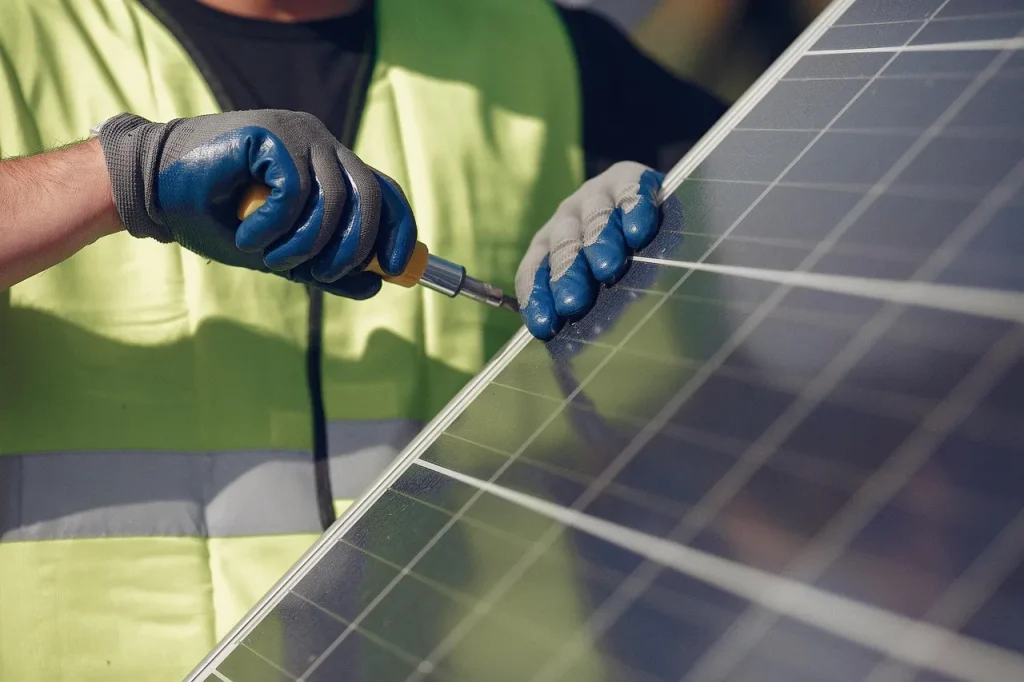
Cold weather often raises questions for homeowners who are considering new solar projects near the end of the year. In Seattle, winter conditions bring cooler temperatures, shorter daylight hours, and more frequent cloud cover, which naturally leads people to wonder how installation works during this season. For homeowners evaluating solar panel installation in Seattle, winter does not automatically pause progress; it shapes the process and how it is approached.
West Seattle Electric and Solar installs solar systems with year-round conditions in mind. Solar array design and installation are planned based on site conditions, electrical requirements, and system layout rather than temperature alone. Understanding how cold weather influences the installation process helps homeowners approach winter projects with realistic expectations and clear context.
How Cold Weather Affects the Installation Process
Cold weather changes the environment around an installation, but it does not fundamentally alter how solar systems are designed or connected. Panels, mounting equipment, and electrical components are installed in accordance with the same safety and code requirements regardless of the season.
The changes are in pacing and scheduling. Winter weather can bring more frequent rain, frost, or shorter daylight hours, which may affect how workdays are structured. Installations are planned carefully to account for site conditions and safe access rather than rushing through steps. This approach ensures that system integrity and electrical connections are not compromised.
West Seattle Electric and Solar evaluates each project individually, factoring in roof condition, electrical readiness, and site access before moving forward.
Electrical System Readiness in Winter
Solar panel installation extends beyond simply installing panels on the roof. It involves integrating the system into the home’s existing electrical infrastructure. This includes connections to breaker panels, inverters, and other electrical components.
During winter, homeowners may use more electricity for lighting and heating, making electrical readiness especially important. Installers review panel capacity, wiring condition, and overall system compatibility during installation. These evaluations remain the same regardless of season, but winter often highlights the importance of proper electrical planning.
West Seattle Electric and Solar provides electrical services alongside solar installation, allowing system design and electrical integration to be handled under a single scope of work.
Roof and Site Considerations During Colder Months
Roof condition plays a significant role in determining how and when installation proceeds. In winter, surfaces may be damp or cold, which requires careful scheduling and access planning. Installers assess roof structure, slope, and material to confirm safe installation conditions.
If roofing work is anticipated, solar array removal and reinstallation for re-roofing may be part of the planning conversation. Cold weather does not affect this process, but it underscores the importance of coordinating timing so systems are installed on stable, finished surfaces.
West Seattle Electric and Solar approaches site evaluation with safety and durability in mind, ensuring installations are appropriate for current conditions rather than seasonal assumptions.
System Testing and Verification in Cold Weather
After installation, systems are tested to confirm proper electrical operation. Cold temperatures do not prevent testing, but they do reinforce the importance of verifying connections, inverter operation, and system response.
Testing confirms that the system operates correctly within the home’s electrical system and that all components work together as intended. This step remains essential regardless of season and is handled with the same level of care during winter installations.
Homeowners should expect thorough verification before the system is considered complete.
Understanding Seasonal Expectations Without Assumptions
Cold-weather installation does not change how solar systems are designed to operate long term. Panels are installed for year-round use, not seasonal performance alone. Winter installations prioritize proper placement, secure mounting, and correct electrical connections over immediate output expectations.
Homeowners considering winter installation benefit from understanding that solar energy systems are planned with seasonal variation in mind. The goal is a reliable, code-compliant system that functions across changing conditions rather than short-term performance benchmarks.
West Seattle Electric and Solar emphasizes accuracy and transparency when discussing winter installations, avoiding assumptions or guarantees unsupported by the system design.
Further Reading:
- Maintain Comfortable Indoor Airflow Throughout the Year with a Whole-House Fan
- Why Installing an Attic Fan Matters for Seattle Homes
A Clear Path Forward for Cold Weather Projects
Cold weather does not prevent solar installation, but it does shape how the process is managed. From scheduling and site evaluation to electrical integration and testing, winter installations focus on safety, accuracy, and careful coordination. West Seattle Electric and Solar installs solar systems with attention to current conditions while maintaining the same standards applied throughout the year.
Contact West Seattle Electric and Solar to discuss what to expect from a cold-weather solar panel installation in Seattle.