
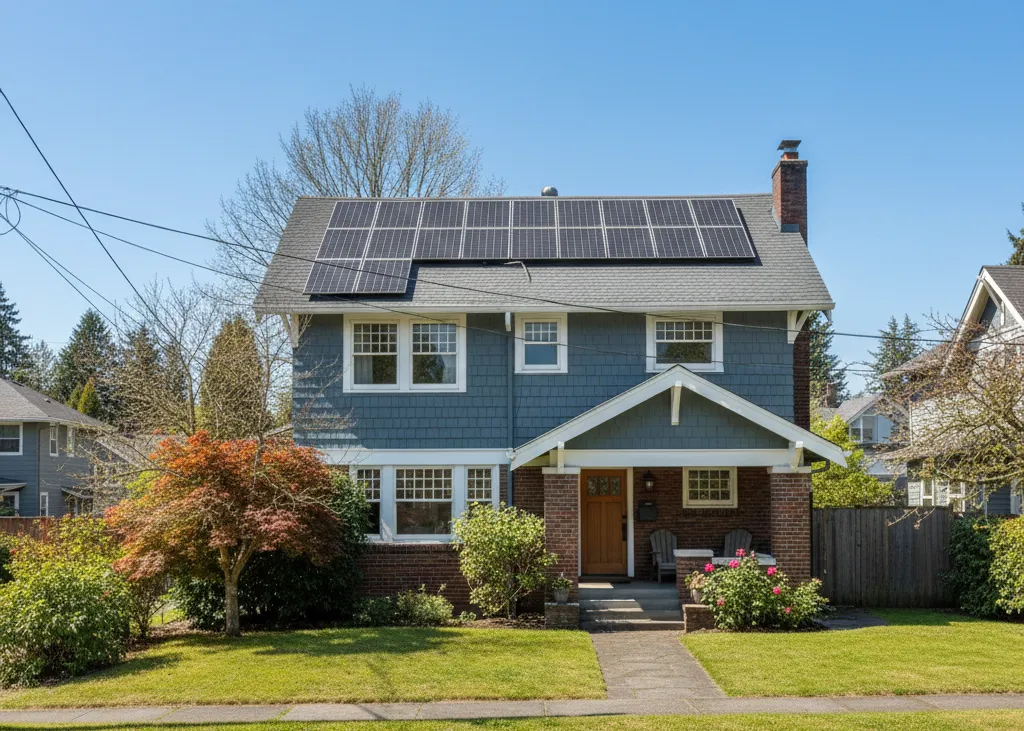
Planning early is increasingly common among homeowners who want to make thoughtful upgrades rather than make rushed decisions. As 2025 comes to a close, many households are already planning projects to complete in 2026, including solar installations. Selecting the right provider is one of the most important steps in that process, especially when evaluating solar installers in Seattle for projects scheduled in 2026.
West Seattle Electric and Solar works with homeowners who want clarity around qualifications, scope of work, and how solar installation fits into a home’s broader electrical system. Choosing a solar installer is not just about panels on a roof. It involves electrical integration, long-term system compatibility, and confidence that the company handling the work understands both solar and residential electrical requirements.
Start With Electrical Expertise, Not Just Solar Experience
Solar energy systems are electrical systems first. Panels, inverters, and monitoring equipment must connect safely and correctly to a home’s electrical service. One of the most important factors to consider when choosing a solar installer is whether the company has in-house electrical expertise.
Some solar companies rely on third-party electricians to complete grid connections and electrical work. This can create scheduling gaps and added complexity. Working with installers who are trained and certified electricians helps ensure that solar and electrical work are coordinated under one scope, reducing miscommunication and delays.
Look for Local Experience That Reflects Real Conditions
Seattle’s climate, housing styles, and electrical infrastructure present unique considerations. Local experience matters because system design must reflect regional weather patterns, roof construction, and utility requirements. An installer familiar with the Puget Sound area understands how seasonal conditions affect scheduling, inspections, and system performance.
Choosing a company with a long-standing local presence also supports continuity. Homeowners planning for 2026 benefit from working with installers who are likely to remain available for future service, inspections, or system adjustments.
Understand How Solar and Electrical Services Work Together
Solar installation does not exist in isolation. Electrical panels, circuit breakers, service capacity, and grounding all affect whether a solar system can be installed safely and efficiently. Before committing to a provider, homeowners should understand how electrical readiness is assessed during the solar planning process.
Installers who offer both solar and electrical services can assess whether upgrades are needed before installation begins. This approach helps avoid surprises later in the project and supports smoother scheduling.
Ask About System Design and Planning Approach
Every home has different electrical demands, roof layouts, and long-term goals. A quality solar installer focuses on system design that aligns with how the home actually functions, not just on panel placement.
For homeowners planning projects in 2026, design conversations should include discussions about current energy use, future needs, and how the system will integrate with existing infrastructure. A well-designed system reflects both present conditions and anticipated changes.
Verify Clear Communication and Project Scope
Clear communication is essential when planning future projects. Homeowners should feel confident that the installer explains the scope of work, how timelines are determined, and the factors that may affect scheduling.
For 2026 planning, this clarity becomes even more important. Installers should be able to outline what steps happen first, such as site evaluation and design, and how the project progresses toward installation without assuming fixed timelines that depend on weather or permitting.
Evaluate How the Company Handles Grid Connections
Grid connection is a required step that allows a newly installed solar system to operate alongside the utility service. This step requires coordination, proper electrical configuration, and adherence to utility requirements.
Homeowners should ask how grid connections are handled and whether the installer manages this process directly. Understanding this early helps set realistic expectations and reinforces the importance of choosing installers who are experienced with grid-tied systems.
Consider Long-Term Service and Support
Solar installations are long-term investments. While systems are designed for durability, future needs may include inspections, adjustments, or repairs related to roofing or electrical changes. Choosing a company that offers ongoing electrical and solar services supports continuity.
For homeowners planning, working with a provider that understands the full lifecycle of a solar system offers added confidence. This does not mean expecting frequent service; rather, it means knowing the installer remains available if needed.
Focus on Informed Planning, Not Urgency
Projects planned for 2026 benefit from a measured approach. Choosing solar installers should be based on qualifications, transparency, and alignment with the home’s electrical needs rather than urgency or assumptions about timing.
By starting the selection process early, homeowners gain time to evaluate options, ask detailed questions, and ensure the installer’s approach aligns with their expectations.
Further Reading:
- Dependable Generator Maintenance During Washington’s Winter Months
- Winter Maintenance Guidance for Sustainable Solar Generators in Seattle
Making Confident Choices for 2026 Projects
Selecting the right solar installer involves more than comparing availability. It requires understanding how solar systems integrate with electrical infrastructure, how local experience affects planning, and how clear communication supports successful outcomes.
If you are researching solar installers in Seattlefor a 2026 project, contact West Seattle Electric and Solar to discuss your installation plans.