
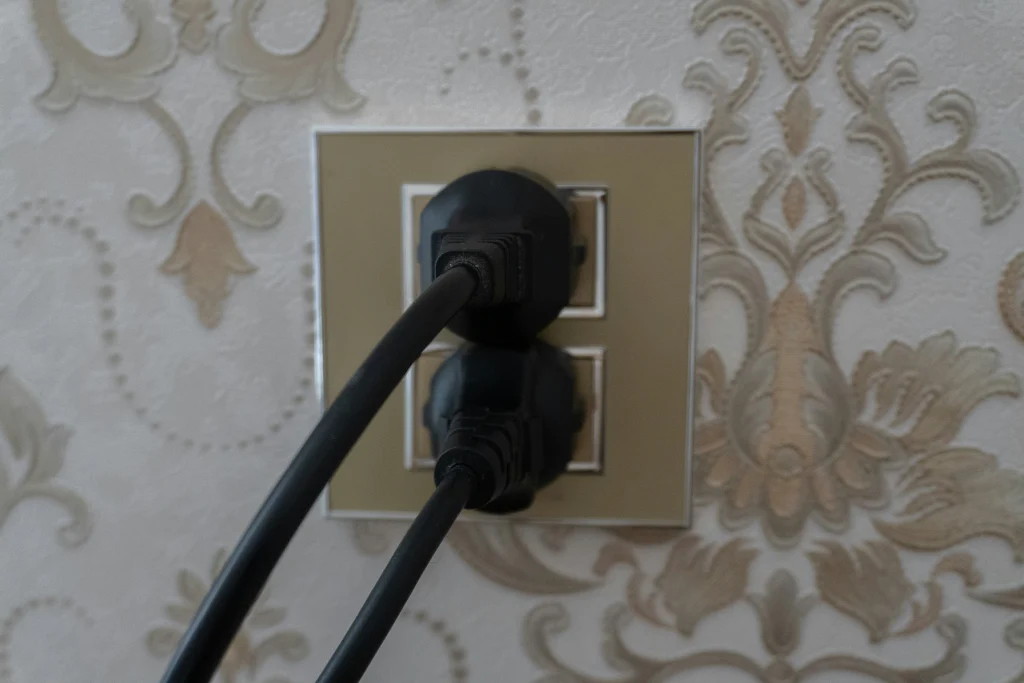
A warm electrical outlet is not something homeowners should ignore. While outlets may feel slightly warm during heavy use, noticeable heat often signals an underlying electrical issue that needs attention. Homes in West Seattle, especially those with older wiring or upgraded electrical systems, are more likely to experience this problem than expected. Understanding what causes outlet warmth helps clarify when it is time to call a West Seattle electrician for a professional evaluation.
Electrical outlets are designed to transfer power from the wiring system to your devices safely. When everything is functioning correctly, that transfer happens without excess heat. When heat is present, it usually indicates resistance somewhere in the circuit. Resistance creates friction, and friction creates heat. Over time, that heat can damage wiring, outlet components, or nearby materials.
Why Electrical Outlets Should Never Feel Hot
Electrical systems rely on tight, secure connections. When those connections loosen or degrade, electricity struggles to move efficiently. This struggle produces heat at the outlet, even if the device plugged in seems to be working normally. Excess warmth at an outlet signals that the electrical components are being strained.
A warm outlet may feel subtle at first, but the condition can worsen gradually. Heat can spread to the wiring behind the wall, increasing the risk of insulation damage or electrical failure. Addressing the issue early helps prevent more serious electrical hazards.
Loose Wiring Connections Inside the Outlet
One of the most common reasons an outlet feels warm is loose wiring behind the faceplate. Over time, vibration, thermal expansion, or improper installation can cause wires to loosen from their terminals. When electricity jumps across a loose connection instead of flowing smoothly, heat builds quickly.
Loose wiring does not always cause immediate power loss, which makes it easy to overlook. However, continued use of a warm outlet puts additional strain on the circuit. A licensed electrician can remove the outlet, inspect the wiring, and properly secure all connections.
Overloaded Circuits and Electrical Demand
Modern homes rely on more electrical devices than older wiring systems were originally designed to handle. Space heaters, kitchen appliances, entertainment systems, and charging equipment can all draw significant power. When multiple high-demand devices share the same circuit, outlets may begin to warm.
This situation is especially common in older homes that have not had recent electrical upgrades. A West Seattle electrician can evaluate whether the circuit is overloaded and recommend solutions such as adding dedicated circuits or upgrading the electrical panel if necessary.
Worn or Damaged Outlet Components
Outlets themselves can wear out over time. Internal contacts may lose tension, corrode, or crack, reducing their ability to hold plugs securely. Poor contact between the plug and outlet increases resistance, which in turn generates heat.
Signs of outlet wear include loose plugs, discoloration, buzzing sounds, or a burning odor. Even without visible damage, an outlet that consistently feels warm may be nearing the end of its safe lifespan. Replacing worn outlets helps restore proper electrical performance and reduces the risk of overheating.
Improperly Installed or Incorrect Outlet Types
Using the wrong outlet type for a specific application can also cause warmth. For example, standard outlets may not be suitable for appliances that require higher amperage. Improper installation methods, such as backstab wiring connections, can further increase resistance.
A professional electrician can confirm that outlets are correctly matched to their circuits and installed in accordance with current electrical codes. Correct installation plays a key role in maintaining safe outlet temperatures.
The Role of Extension Cords and Power Strips
Extension cords and power strips can unintentionally contribute to warm outlets. Plugging high-wattage devices into power strips designed for light use increases the electrical load on a single outlet. This concentrated demand can cause both the outlet and the cord to heat up.
Using extension cords as a long-term solution is not recommended. If outlets are insufficient for your needs, adding properly installed receptacles is a safer and more effective option.
Why Professional Electrical Inspection Matters
Warm outlets are rarely isolated issues. They often point to broader concerns within the electrical system, such as aging wiring, insufficient circuit capacity, or code compliance issues. Professional inspection allows these problems to be identified accurately.
Electrical troubleshooting involves more than replacing a single outlet. Licensed electricians assess the condition of wiring, circuit load, grounding, and overall system safety. This method focuses on correcting the underlying issue instead of offering a short-term fix.
Addressing Warm Outlets Before They Escalate
Ignoring a warm outlet can lead to worsening conditions over time. Heat can weaken insulation on wiring, increasing the risk of electrical arcing. Early intervention helps protect both your home and its occupants.
When an outlet remains warm, becomes hot, or shows visible wear, continued use should stop until a professional inspection is completed. Prompt service reduces the risk of further electrical stress and helps maintain safe operation throughout the home.
Further Reading:
- Why Electricians Suggest QuietCool Fan Systems for Seattle Homes
- The Advantages of QuietCool Attic Fan Systems for Seattle Homes
Keeping Your Electrical System Safe
Homes in West Seattle benefit from proactive electrical maintenance, especially during periods of increased electrical use. Addressing small warning signs, like warm outlets, can prevent larger disruptions later. Electrical systems work best when every component is functioning as intended.
Contact our trusted West Seattle electrician to inspect the issue and restore safe electrical performance in your home.