
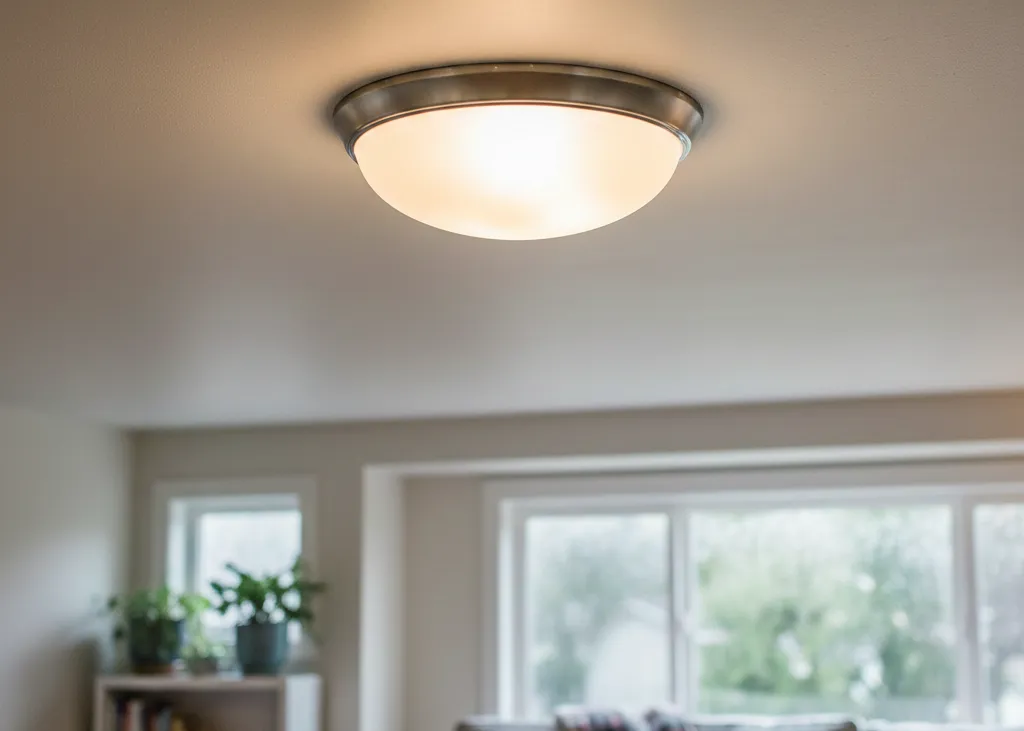
When heaters switch on and lights begin to flicker, the issue can feel unsettling, especially during colder months when heating systems run more often. While many homeowners initially suspect the heater itself, this behavior usually points to how the home’s electrical system is handling increased demand. In winter, electrical loads change quickly, and those shifts can expose limitations in circuits, panels, or wiring.
Homeowners often contact electrical contractors in West Seattle when flickering becomes frequent or noticeable. This concern is common in homes where heaters draw significant power at startup. Understanding the electrical causes of this issue helps clarify when flickering is expected and when professional evaluation is warranted.
Heater Startup and Sudden Electrical Load
Electric heaters draw a large amount of power the moment they turn on. This initial surge happens quickly and can momentarily affect voltage levels throughout the home. When the electrical system is properly sized and in good condition, this voltage change is brief and barely noticeable. In systems with limited capacity or aging components, the dip can be more visible, causing lights to flicker.
This effect is especially common with electric furnaces, baseboard heaters, and supplemental heating equipment that cycles on and off throughout the day. Each startup places short-term stress on the electrical system.
Shared Circuits Between Lighting and Heating Equipment
In some homes, lighting and heating equipment share the same circuit. When both operate together, the heater’s power draw can temporarily reduce the voltage available to lighting fixtures. This often results in lights dimming or flickering at the exact moment the heater turns on.
Shared circuits are more common in older homes or in areas that were remodeled without adding new dedicated circuits. Circuit tracing helps identify how outlets, lighting, and heating equipment are connected, enabling accurate load distribution evaluation.
Electrical Panel Capacity and Condition
The electrical panel directs and regulates electricity as it moves to different circuits throughout the home. If the panel is outdated, undersized, or experiencing wear, it may struggle to handle sudden increases in demand during winter.
Loose breaker connections, worn breaker components, or corrosion within the panel can cause inconsistent power delivery. These conditions may cause flickering that becomes more noticeable as heaters cycle on and off throughout the day.
Breaker panel upgrades or repairs are considered when inspection findings show that the panel is no longer well-suited to the home’s electrical usage.
Service Meter and Main Connection Considerations
Electrical service meters and main connections supply power from the utility to the home. If these components are aging or not properly secured, voltage fluctuations can occur when large loads activate.
Winter conditions, including moisture and temperature changes, can affect service connections over time. Evaluating the service meter and main connections helps confirm that power delivery remains stable during periods of higher demand.
Wiring Age and Connection Integrity
Older wiring systems may contribute to flickering lights when heaters turn on. Loose connections, worn conductors, or outdated wiring methods can create resistance in the electrical system. When resistance is present, voltage changes become more noticeable during high-demand moments.
Homes that still contain older wiring types or have undergone partial electrical updates may be more prone to these issues. Inspection focuses on identifying wiring concerns where accessible, without assuming problems exist where none are present.
Heating Equipment and Electrical Integration
Some heating systems require electrical connections beyond a basic power supply. Heat pumps, electric furnaces, and auxiliary heating elements rely on proper coordination between electrical components and HVAC equipment.
Electrical work related to HVAC systems often involves collaboration with licensed HVAC contractors. Electrical inspections ensure that heaters are properly connected and that the circuits supplying them can handle startup demand.
Why Persistent Flickering Should Be Evaluated
Occasional brief flickering may occur during heater startup, but repeated or prolonged flickering should not be ignored. Persistent voltage fluctuations can strain lighting fixtures, appliances, and other connected devices.
Professional troubleshooting identifies whether flickering is caused by circuit overload, panel limitations, wiring conditions, or service connection concerns. Addressing the root cause helps improve system reliability and reduces ongoing electrical strain.
How Professionals Approach Flickering Light Issues
Licensed electricians evaluate flickering issues by reviewing heater connections, inspecting circuits, assessing panel condition, and verifying service equipment performance. Recommendations are based on what the system requires rather than general assumptions.
Solutions may involve circuit adjustments, panel upgrades, wiring corrections, or targeted repairs, depending on inspection findings. Each home’s electrical system is evaluated individually.
When to Seek Professional Help
If lights flicker whenever heaters turn on, if flickering worsens over time, or if it affects multiple areas of the home, a professional evaluation is appropriate. Winter conditions often reveal electrical limitations that remain hidden during warmer months.
Working with experienced electrical contractors in West Seattle ensures that flickering issues are assessed accurately and resolved in line with current electrical safety standards.
Further Reading:
- Generator Systems and Power Planning for Washington Businesses
- Why Ongoing Backup Generator Maintenance Matters for Businesses
Addressing Flickering Lights During Winter Heating Use
Flickering lights when heaters turn on usually reflect how the electrical system responds to sudden increases in demand. While brief changes can occur, persistent flickering often signals underlying electrical issues that warrant attention. West Seattle Electric and Solar evaluates electrical systems based on observed conditions and seasonal usage patterns.
Schedule an inspection with electrical contractors in West Seattle to restore consistent lighting and reliable electrical performance throughout the winter season.