
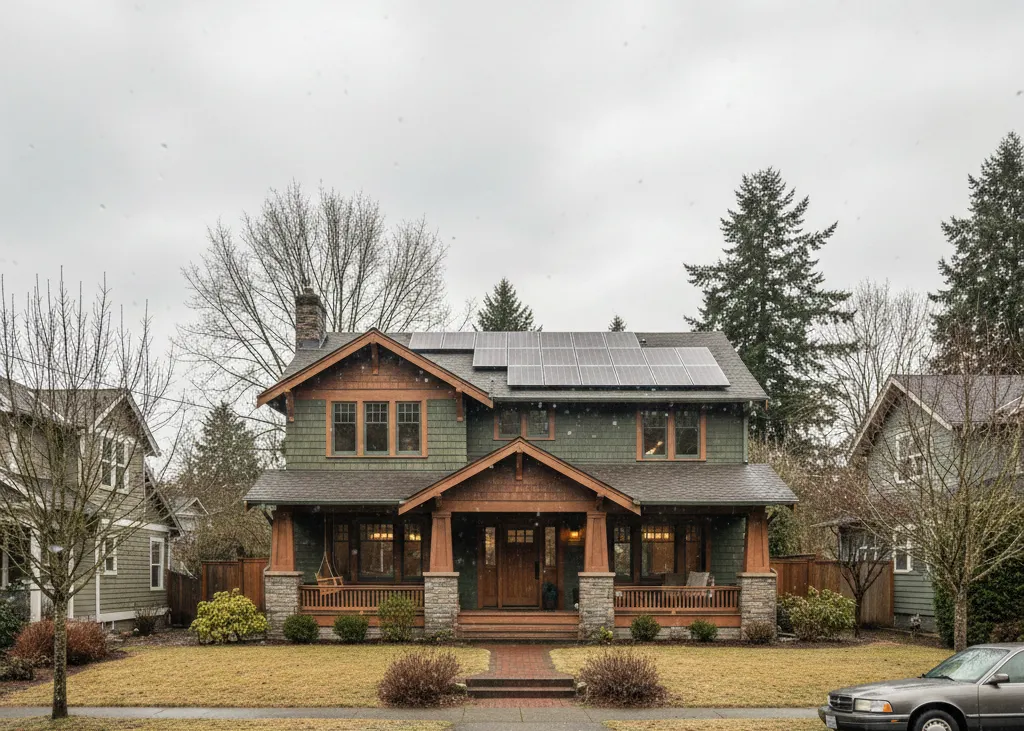
Seattle’s winter weather is known for overcast skies, shorter daylight hours, and frequent cloud cover. As December comes to a close, many homeowners naturally wonder how solar energy systems perform during this time of year. Questions often arise about whether solar panels in Seattle WA, can still contribute meaningfully when sunlight is limited and days are short.
West Seattle Electric and Solar works with homeowners who want a realistic understanding of how solar energy functions in local conditions. Solar panels do not stop working when clouds roll in or daylight hours shrink. Instead, their role shifts within a broader energy system designed for year-round use, including grid connection and optional battery-based backup depending on system design.
How Solar Panels Respond to Cloudy Conditions
Solar panels generate electricity by capturing available sunlight, not heat. Even on cloudy days, sunlight continues to reach the earth’s surface, although in a more diffused form. This means panels can still generate electricity on overcast days, but at a lower rate than on clear days.
Seattle’s winter months often bring consistent cloud cover rather than complete darkness. Solar panels are designed to operate under these conditions as part of a long-term energy solution. The key is understanding that solar performance varies daily and seasonally, which is why most residential systems are connected to the utility grid.
The Role of Grid-Tied Solar Systems in Winter
Most residential solar installations in Seattle are grid-tied systems. These systems connect directly to the local electric utility and operate in parallel with it. During periods when solar panels produce more electricity than the home uses, excess energy is fed back into the grid.
During winter, when solar production may be lower on certain days, the home continues to draw electricity from the grid as needed. This balance allows solar panels to remain useful year-round without requiring constant sunlight or uninterrupted production.
West Seattle Electric and Solar installs grid-tied systems that align with local regulations and net metering policies. Net metering gives system owners a way to earn credits when their system sends unused electricity to the utility, helping balance out the power they later take from the grid.
Battery Backup and Winter Reliability
Some homeowners choose grid-tied systems with battery backup. These systems still feed excess electricity to the grid while also storing a portion of energy in batteries for use during utility outages.
Battery backup is designed specifically for grid outages, not routine nighttime use or cloudy-day compensation. During winter storms or unexpected power disruptions, battery systems can provide limited backup power depending on battery size and household electrical loads.
West Seattle Electric and Solar explains battery options clearly so homeowners understand what backup systems can and cannot do during the winter months. Batteries add resilience but are not intended to replace the grid during extended periods of low production.
Net Metering and Year-Round Energy Balance
Net metering affects how solar energy systems operate during Seattle’s winter months by balancing electricity sent to and drawn from the grid. When solar panels generate excess electricity, the surplus is exported to the grid and credited to the system owner’s account.
When the home draws more electricity from the grid, those credits help offset usage. This structure enables homeowners to benefit from solar production year-round rather than relying on daily output alone.
West Seattle Electric and Solar designs systems that work within this structure, allowing homeowners to use renewable energy while staying connected to the utility grid.
Setting Realistic Expectations for Winter Solar Use
Solar panels are not designed to eliminate all reliance on the grid during the winter months, especially in regions with limited daylight. Instead, they contribute to a broader energy strategy that includes grid access, net metering, and optional backup power.
Understanding how solar panels function during cloudy days helps homeowners set realistic expectations. Rather than focusing on daily production, it is more accurate to view solar energy as part of a year-round system that supports cleaner electricity generation over time.
West Seattle Electric and Solar focuses on clear system design and accurate explanations so homeowners can make informed decisions without assumptions or overpromises.
Further Reading:
- Why Upgrading Your Home’s Electrical System Improves Energy Efficiency
- How Solar Panels Maintain Reliable Performance Over the Long Term
Evaluating Solar Energy at the End of the Year
As December ends, many homeowners take time to review how their homes perform throughout the year. Winter conditions underscore the importance of understanding energy systems as a whole, including how solar panels interact with the grid under adverse weather conditions.
Solar energy remains relevant in Seattle’s winter months because it continues to generate electricity when sunlight is available and contributes to long-term renewable energy goals. Paired with grid access and optional battery backup, solar panels function as a steady part of a home’s electrical system rather than a seasonal feature.
If you are considering solar panels in Seattle WA, contact West Seattle Electric and Solar to learn how a well-designed system can meet your home’s year-round electrical needs.