
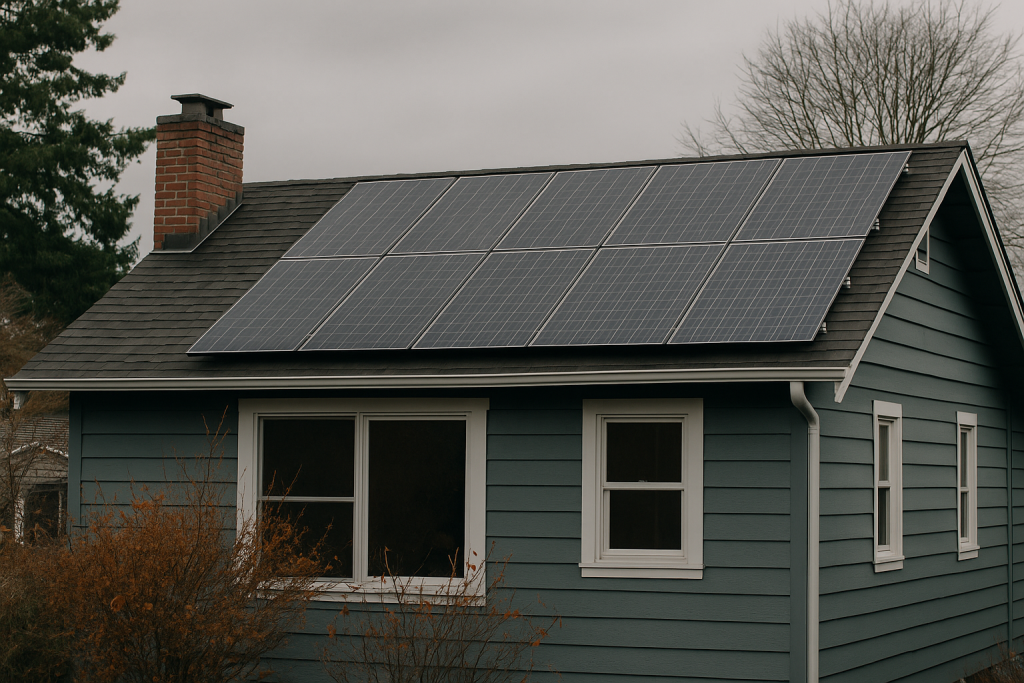
Seasonal changes in Seattle inspire many homeowners to review plans for future energy use, home improvements, and ongoing utility needs. Solar-electric systems remain an appealing option because they respond well to the region’s climate and operate reliably year-round. West Seattle Electric and Solar installs systems designed for real Seattle conditions, and many homeowners considering a solar installation in Seattle explore whether the end of the year is an ideal time to begin their project. We support these decisions by helping families understand how timing, climate, and site conditions influence the installation process.
Considering Seasonal Light and System Planning
Seattle’s fall and winter seasons bring shorter days and increased cloud cover, but this shift does not prevent the installation of new solar-electric systems. The Solar Costs page explains that solar-electric output depends on factors such as sunlight levels, regional climate, system size, and site-specific conditions. While production varies throughout the year, installation planning can begin at any time. The time required for design, permitting, and scheduling often makes year-end an appropriate starting point for homeowners preparing for spring or summer performance.
Because solar energy remains effective even during cooler months, families often choose to complete their installation planning before the next period of stronger daylight. Early scheduling ensures the system will be positioned, aligned, and ready when sunlight levels naturally increase. This supports a smooth transition into the next phase of seasonal production without rushing the design or site survey process.
Understanding How System Design Works With Seattle Weather
Solar-electric systems in the Pacific Northwest are built to operate reliably in shifting weather conditions, including cloudy skies and regular rainfall. Many modern arrays include tracking features that adjust the panel position throughout the day so the system can follow available daylight. These tracked movements are controlled by sensors and motor-driven components that help the array stay oriented toward the sun, even when the sky is overcast. Scheduling installation before year-end ensures these features are in place and ready to perform when the days begin to lengthen again.
Cooler temperatures also support steady solar operation. Panels generally perform efficiently when the surrounding air is mild rather than hot, which makes Seattle’s climate well suited for year-round use. Completing installation planning during the cooler months allows homeowners to enter the next season with a system that is aligned, configured, and prepared for stronger daylight.
Taking Advantage of Site Assessments and Seasonal Conditions
Every site has unique characteristics that influence solar array placement. The Solar Costs page emphasizes the importance of an unobstructed solar window and of sunlight during specific hours of the day. Conducting evaluations during the early winter period gives homeowners an opportunity to see how trees, rooflines, or nearby buildings affect seasonal shading. This information helps determine the best configuration for year-round output.
During a site survey, our team reviews available roof or ground space, assesses how the sun moves across the property, and identifies the conditions required for proper system alignment. Completing this work before year-end often simplifies scheduling and gives homeowners a clear understanding of installation timelines as the new year begins.
Preparing for Future Energy Planning
Many families choose year-end installation because it supports broader home improvement timelines. Solar-electric systems often influence how a household approaches energy use, budgeting, and environmental goals. Beginning the project before the new year gives homeowners time to evaluate their electrical habits, consider efficiency upgrades, and plan how solar will fit into their long-term routine.
Homes that review their electrical needs early can make thoughtful adjustments before installation. This may include identifying high-demand areas, updating older fixtures, or improving efficiency in parts of the home that affect overall system requirements. By completing this planning stage in advance, the final solar design can be better match the property’s needs and the household’s electricity use.
Supporting Reliable System Operation
Starting installation toward the end of the year also provides enough time to complete the detailed steps needed for dependable system performance. Solar-electric setups require careful evaluation of roof or ground space, accurate positioning of the array, and confirmation that the surrounding environment provides steady, unobstructed light.
West Seattle Electric and Solar conducts assessments to determine where panels can receive consistent daylight and how the system should be configured for the property. This early planning helps ensure the array is secure, stable, and aligned correctly once longer, brighter days return. Completing these design and evaluation stages before spring allows the system to begin operating smoothly as soon as stronger seasonal sunlight becomes available.
Further Reading:
- How Backup Generator Maintenance Keeps You Ready for Emergencies
- Prepare Your Home for the Season with Reliable Generator Care
Planning Early for Seasonal Solar Benefits
Solar-electric systems function well in Seattle’s climate, and year-end installation offers a practical timeline for families preparing for the coming year. By reviewing site access, planning system design, and understanding how arrays respond to seasonal conditions, homeowners can make informed choices about timing. West Seattle Electric and Solar supports this process by offering installation services designed for the region’s natural climate and seasonal patterns.
To begin your solar installation in Seattle, contact us to schedule your site survey and planning appointment.